Ocean Side, Bay Side, and Block Distance on LBI
LBI rental listings use four location terms constantly and rarely explain them well: oceanfront, ocean block, ocean side, and bay side. They sound similar when you are scrolling, but they create very different weeks once the car is unloaded.
On Long Beach Island, the address is not a small detail. It decides how often you go back to the house, whether a beach cart is optional or required, whether a tired kid changes the whole plan, and whether "walk to beach" means a simple stroll or a crossing over Long Beach Boulevard.
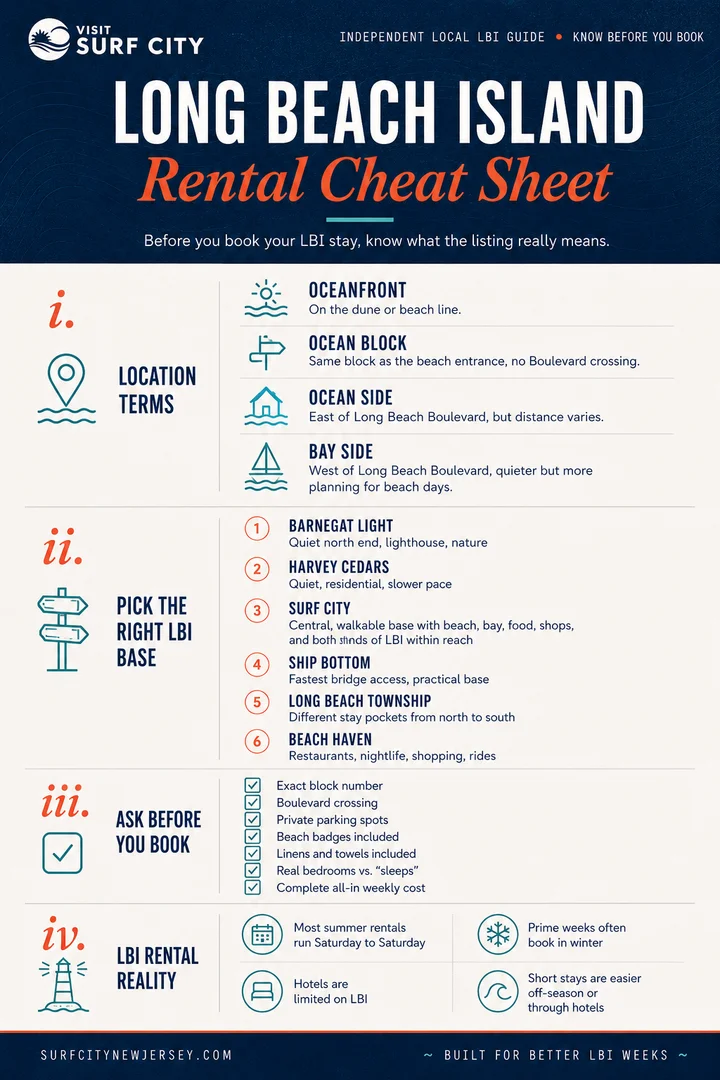
The LBI Location Terms Every Renter Needs to Understand
If you understand only four location terms before booking, make them these:
Oceanfront
On the dune or beach line itself
Steps to sand. Premium price. Zero walk.
Ocean Block
Same block as the beach entrance, with no streets to cross
Short walk, no Boulevard crossing required.
Ocean Side
East of the Boulevard
Distance varies. Always ask for the block number.
Bay Side
West of the Boulevard
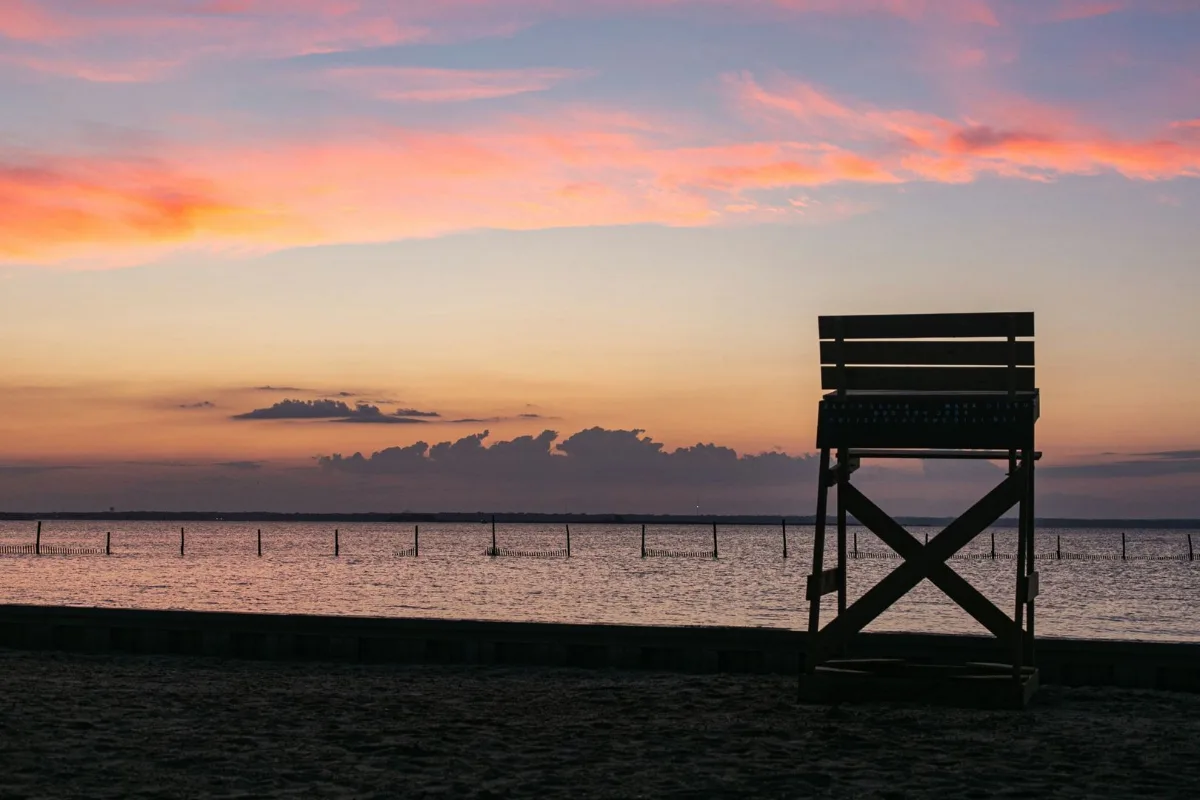
More walk to the beach, quieter streets, and the best sunset side of the island.
These labels matter because you feel them every day. They shape the beach routine, the price, the quiet, the walk, and how much effort it takes to get everyone from the house to the sand.
The ocean side vs bay side question on LBI is about the Boulevard. The oceanfront vs ocean block question is about price and proximity.
What Ocean Side Means on LBI
Ocean side means the house is east of Long Beach Boulevard. That tells you which side of the road you are on. It does not tell you how far you are from the beach.
This is the term that most often misleads first-time LBI renters. An ocean-side house could be one block from the beach, or it could be several blocks back. Both can be accurately described as ocean side.
That is why "ocean side" is incomplete information without the block number. A listing that says ocean side but never makes the walk clear is asking you to fill in the most important detail yourself.
The rule is simple: ocean side plus block number gives you the real picture. Ocean side alone means keep asking questions.
What Bay Side Means on LBI
Bay side means the house is west of Long Beach Boulevard. To reach the ocean beach, you cross the Boulevard.
The bay in question is Barnegat Bay, the body of water running the full length of LBI's western edge.
Bay side is not a consolation prize. It is a different stay. Bay-side rentals are often quieter, sometimes less expensive, and closer to the sunset side of the island. The streets can feel more residential, and the day does not always revolve around getting back and forth from the sand as quickly as possible.
The beach just takes more planning. Your morning starts differently. The beach trip becomes a planned outing, not something you casually do three times before lunch. For some groups, that rhythm is perfect. For others, especially families with young kids and a loaded wagon, it becomes the thing they wish they had understood before booking. That difference is easy to miss online and hard to ignore once you arrive.
In Surf City, bay side also puts you closer to the bay beach at 16th Street, which can matter for calmer water days, younger kids, sunsets, or a slower evening walk.
Bay side works best for couples, quiet seekers, families who bike naturally, and renters who care about the whole island rhythm, not just the shortest path to the ocean.
What Ocean Block Means on LBI
Ocean block means the house is on the same block as the beach entrance, but not directly on the dune line. You still walk to the beach, but you do not cross the Boulevard or another street to get there.
For many LBI trips, ocean block ends up being the sweet spot. The walk is usually short enough that beach access still feels easy, but the house may offer better space, better updates, or better value than a true oceanfront property.
The key distinction is simple: ocean block is not oceanfront. You will not be sitting directly on the sand. But for most beach weeks, the practical difference can be smaller than the price difference.
If you want the beach to feel close without paying the very top of the market, ocean block is one of the first terms to understand.
What Oceanfront Means on LBI
Oceanfront means the property sits directly on or next to the dune line. You are paying for zero-friction beach access: out the door, through the dunes, onto the sand.
This is the easiest location for a beach-first trip. You can run back for lunch, take a kid home for a break, grab the forgotten sunscreen, or leave the umbrella behind without turning the day into a packing operation. The beach becomes part of the house's rhythm. You are not managing a beach trip. You are just going to the beach.
The location delivers something real beyond convenience: salt air off the water, surf noise, unobstructed views. For beach-first groups, that sensory layer is part of what they are paying for.
The trade is price. Oceanfront homes are usually at the top of the LBI rental market, and the premium is not always about the house itself. Sometimes you are paying more for an older, smaller, or more modest property because the location is doing the work.
Oceanfront makes the most sense when the beach is the whole point of the trip and proximity matters more than square footage, finishes, or being closer to restaurants and shops.
How Far Is the Beach? Block Distance on Long Beach Island
Two blocks is not just two blocks when you are carrying chairs, towels, a cooler, an umbrella, snacks, and a tired four-year-old.
One block feels effortless. You can see the water from the corner. The beach happens multiple times a day without thinking about it. Someone forgot sunglasses? Fine. Kids need a break? Easy. Lunch at the house? No problem.
Two to three blocks is still manageable, but it becomes part of the morning routine. This is where a beach cart starts to feel less like a convenience and more like the thing that keeps everyone sane.
Four to five blocks changes the trip. You start consolidating runs. You think twice before going back. The umbrella gets left behind. Someone carries too much. Someone complains. The beach is still close, but the day has more logistics in it.
Crossing the Boulevard adds another variable. It is not just "one more street." It is the main road through LBI, and it breaks the walk into two pieces. With young kids, beach gear, bikes, strollers, or grandparents, that difference matters.
If you are comparing Surf City blocks specifically, the Surf City beach guide is worth checking alongside the rental map because guarded beach streets, bathrooms, bay beach access, badges, and beach rules all affect how easy the actual beach day feels.
Before booking anything described as ocean side, ask for the exact block number. Before booking anything described as bay side, ask yourself whether your group wants a beach walk or a beach operation.
All of this is why where you land on LBI matters as much as what you rent. And on an 18-mile island, not every town gives you the same starting position.
Best Town to Stay on Long Beach Island: How to Choose
LBI is 18 miles long and narrow enough that it looks simple on a map. It is not.
Your town choice is your base camp choice.
It determines how often you drive, how easy dinner feels, how close you are to the parts of LBI you actually want to use, and whether the week feels walkable, quiet, busy, central, tucked away, or spread out.
Two families can both have a great LBI trip and have completely different experiences based purely on which town they booked.
Before you compare houses, it helps to understand which part of the island actually fits the trip you are planning.
The mistake is treating every LBI town like a different version of the same beach stay. They are not. The beach runs the length of the island, but the feel changes depending on where you land.
How to Choose the Right LBI Town for Your Trip
Start with two questions.
Do you want to walk places, or are you fine driving? And do you want to explore the island, or are you mostly planning to anchor yourself to the beach and the house?
Those two answers do most of the sorting.
If you want walkability and easy access to both ends of LBI, Surf City is almost certainly the answer. You are central, you have food and shops close by, and you are not committing your whole week to the quiet north end or the busier south end. If Surf City is on your shortlist, the guide to where to eat in Surf City helps you see how much of the week can happen on foot before you choose a block.
If you want maximum quiet and you are happy making your own entertainment, look north. If you want nightlife, restaurants, Fantasy Island, and the classic south-end resort feel, look toward Beach Haven. If you mostly care about fast access on and off the island, Ship Bottom has a practical case.
There is no best town to stay on Long Beach Island for every trip. The town you choose should match the week you actually want.
The North End: Barnegat Light and Harvey Cedars
The north end of LBI is quieter, more residential, and more destination-specific. You are not choosing it because you want the easiest access to everything. You are choosing it because you want that quieter edge of the island.
Barnegat Light has the lighthouse, the inlet, wide northern beaches, and a more removed feel. It works well for groups who want nature, quiet, fishing, lighthouse mornings, and a town that feels like its own place. The trade is distance. A Beach Haven dinner, nightlife plan, or Fantasy Island night becomes a real drive. That distance is fine when you planned for it. It gets old fast when you did not.
Harvey Cedars and Loveladies are more residential and often more expensive. The houses matter here. The beach matters. The quiet matters. Walkable commercial life is not the point. You are there for the rental, the ocean, the deck, and the slower pace.
North Beach has a similar quiet, residential feel, with easier access to Barnegat Light than the center or south end. It can make sense for renters who want the north-end rhythm without needing much built around them.
The north end works best for groups who want maximum quiet, have their own house-centered routine, and do not need restaurants, shops, or entertainment built into the location.
The Central Island: Surf City and Ship Bottom
Central LBI is the easiest place to understand the island from.
Surf City is the strongest central-base choice because it gives you walkability, restaurants, shops, beach access, bay access, and midpoint positioning in one town. The full case for Surf City comes next, but the simple version is this: Surf City lets you use the entire island without making every outing feel like another long day in the car.
Ship Bottom has one of the clearest convenience cases on LBI. It is the first town off the Route 72 causeway, which matters on arrival, departure, and any mainland errand. It also has beach access, restaurants, shops, and plenty of rentals that can work well for a full LBI week.
For first-time visitors, central LBI is forgiving. You can learn the island from the middle instead of realizing too late that the places you keep wanting to visit are farther away than you thought.
The South End: Beach Haven and Surrounding Towns
The south island has more of the classic resort-energy feel, especially as you get closer to Beach Haven.
Brant Beach, Beach Haven Crest, and Spray Beach can be strong rental zones for groups that want south-end access without being directly in Beach Haven. You can find good inventory, good beach access, and sometimes better value than the busiest parts of the south end. These areas work well when you want to be close to Beach Haven but do not need to be in the middle of the activity every night.
Beach Haven is the south-end energy center. It has the biggest concentration of restaurants, nightlife, shops, family attractions, and entertainment. If your group has older kids, teenagers, adults who want dinner and drinks out, or anyone who sees Fantasy Island as a major part of the week, Beach Haven has the strongest case.
The catch is where you are on the island. Beach Haven is the farthest point from the north-end experience. Barnegat Light, the lighthouse, Harvey Cedars, and the quieter northern stretch all become trips you have to plan around.
Beach Haven works best when activity is the point. If your ideal week is walk to dinner, walk to ice cream, take the kids to rides, go out at night, and stay close to the busiest part of LBI, it makes sense. If you want a balanced base for exploring both directions, it can feel like you chose the far end of the island before you understood the map.
Which LBI Town Fits Your Trip: Quick Reference
| Trip priority | Best fit |
|---|---|
| Walkability plus central access | Surf City |
| Island explorer base camp | Surf City |
| Fastest causeway access | Ship Bottom |
| Quiet, residential, nature-first stay | Harvey Cedars or Loveladies |
| Lighthouse and north-end experience | Barnegat Light |
| Nightlife and restaurant variety | Beach Haven |
| Value plus south-island access | Brant Beach or Beach Haven Crest |
Why Surf City Is One of the Best Places to Stay on LBI
Surf City works as an LBI base because it keeps both ends of the island within reach.
If you stay in Barnegat Light, Beach Haven becomes a real drive every time you want dinner, nightlife, Fantasy Island, or the south-end energy. If you stay in Beach Haven, the lighthouse, Barnegat Light, Harvey Cedars, and the quieter north-end feel become the trip you have to plan around.
Surf City sits near the midpoint of LBI’s 18 miles. Barnegat Light is roughly 20 minutes north. Beach Haven is roughly 20 minutes south.
You can do a north-end lighthouse morning without giving up the day. You can do Beach Haven at night without making it feel like a mission. You can explore both ends of the island, come back to the same walkable base, and still have restaurants, shops, the beach, the bay, and everyday errands close by.
That is where Surf City earns its case. Both ends of the island stay within reach, and you still come back to a walkable town.
Surf City is the base camp version of LBI. You are not locked into the quiet north end or anchored to the busier south end. Positioned in the middle, you get the whole island instead of a fraction of it.
Surf City Walkability: What You Can Reach Without a Car
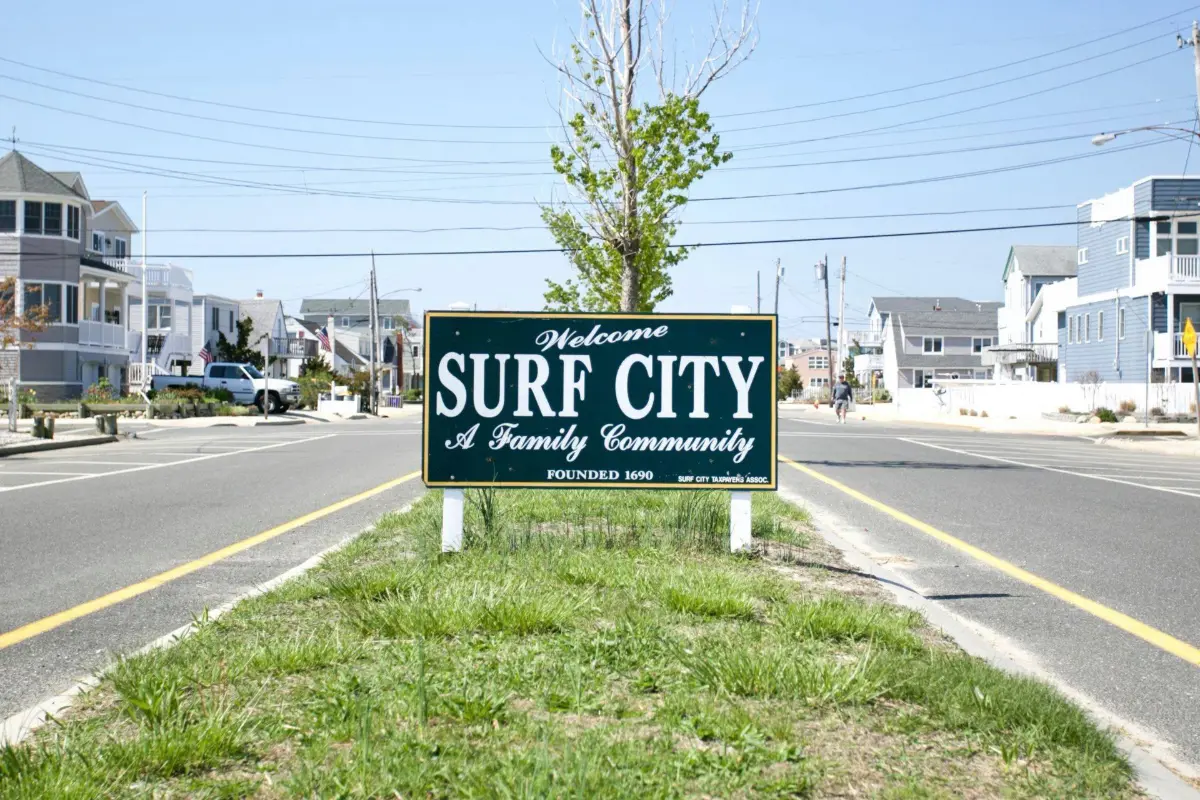
The most practical version of a Surf City stay happens roughly between 3rd Street and 25th Street. That is the zone where you can park on arrival and stop treating the car like part of the vacation.
This range is based on practical walkability to beach, food, errands, shops, and everyday vacation needs, not a formal boundary.
Inside that radius, the ordinary beach-week stuff is close: ocean beach, bay beach, restaurants, takeout, ice cream, galleries, the liquor store, the supermarket, the 5&10, and the beach badge booth. You are not driving every time someone wants coffee, pizza, sunscreen, a forgotten beach toy, or a walk after dinner.
That sounds small until you live it for a week.
A five-minute errand instead of a parking project. A dinner walk instead of a car shuffle. Someone can run back to the house during a beach morning without the whole group breaking down camp. On a rainy night, you do not need everyone to agree on a destination before getting in the car.
Most LBI towns are either quieter, more residential, more spread out, or more dependent on the car for daily decisions. Surf City is the rare town where a true no-car week is realistic without feeling like you are missing the island.
Every errand shorter, every dinner easier, every beach run simpler. That adds up over a week.
Local note: Surf City’s walkability is the main advantage, but the LBI Shuttle can extend the no-car idea beyond town. If you want a Beach Haven night, a north-end outing, or a break from parking logistics, check the current shuttle schedule before your trip. It is not a replacement for choosing the right base, but it can make a Surf City stay feel easier.
Surf City and the LBI Causeway: The Fastest Arrival on the Island
Surf City, NJ sits immediately at the base of the Route 72 causeway, the main entry point onto Long Beach Island.
That matters most on arrival and departure days, when everyone else is learning the same lesson at the same time. If your rental is in Surf City, you are off the bridge and nearly there. If your rental is much farther south, you still have the Boulevard ahead of you.
The difference is not just a few minutes on a map. On a summer Saturday, it can be the difference between unloading the car and sitting through another stretch of island traffic while everyone is hungry, sandy, tired, or asking how much longer.
The same advantage works in reverse when you leave. You are not adding a long crawl before the causeway. You are already close to the exit.
It also helps during the week. Mainland errands happen. Someone needs medicine, a Target run, a Costco trip, a replacement charger, or something the rental house did not have. From Surf City, those runs are manageable. From the far south end, they become a bigger part of the day.
Bridge proximity is not the romantic part of the trip, but over a full week with kids, groceries, errands, weather pivots, and checkout timing, it saves real energy.
The Most Walkable Boulevard on LBI
What makes Surf City’s Boulevard different from the rest of LBI is density.
Breakfast, coffee, pizza, seafood, ice cream, takeout, casual dinners, shops, galleries, groceries, liquor, beach supplies, and rainy-day errands are all close enough to each other that walking becomes the default instead of the backup plan.
That changes how the week feels.
You can send someone out for bagels without turning it into a group decision. You can walk to dinner and split up after. You can grab ice cream because the night still feels young. You can replace a broken sand toy or pick up sunscreen without losing the beach day.
Places like Wally’s, ScoJo’s, Panzone’s, BLVD Pizza, The Big Dipper, the Surf City 5&10, and the Boulevard shops are not just conveniences. They are part of why Surf City works as a stay base. They give the week texture without requiring a full itinerary.
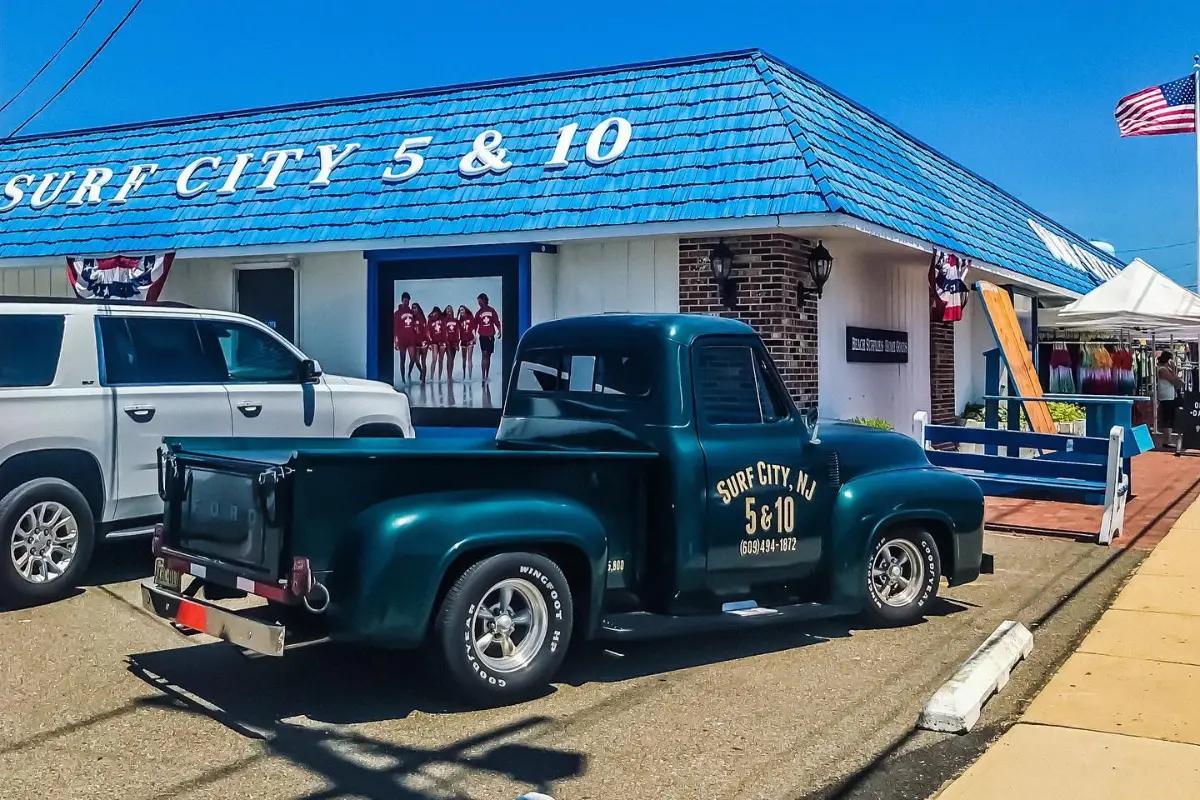
That is when walkability starts to feel different: you are choosing what sounds good, not settling for whatever is closest.
Beach Haven has more nightlife and south-end activity. Barnegat Light has the lighthouse and a quieter destination feel. Harvey Cedars and Loveladies have residential calm. Surf City’s advantage is different: the daily-use stuff is close, walkable, and concentrated enough to matter every day.
Surf City's Central Location on LBI: 20 Minutes to Both Ends
Most LBI renters do not feel the full impact of their town choice until midweek, when the pattern has already set. Either both ends of the island stayed usable, or one of them quietly became the outing they never got around to.
From Surf City, that moment rarely arrives. Barnegat Light is roughly 20 minutes north. Beach Haven is roughly 20 minutes south. The two ends of the island stay usable all week.
You can do the lighthouse in the morning and still come back for an easy beach afternoon. You can go to Beach Haven for dinner, rides, or a busier night out without making it feel like the whole evening depends on the drive. You can explore Harvey Cedars, Loveladies, Ship Bottom, Brant Beach, and Beach Haven across the week without constantly feeling like you picked the wrong end.
A Beach Haven renter can still visit Barnegat Light, but it becomes a bigger trip. A Barnegat Light renter can still do Beach Haven, but it becomes a bigger plan. Surf City keeps both ends within reach, while giving you a walkable town to come back to.
That is why Surf City is such a strong first-time LBI base. You are not choosing quiet over activity or activity over quiet before you understand the island. You are choosing the middle, and the middle gives you room to figure out what kind of LBI week you actually like.
Find the Right LBI Stay for Your Trip Type
The best LBI stay is not the same for every group.
A couple looking for quiet sunsets should not book the same way as a family hauling wagons to the beach every morning. A first-time visitor still deciding where to stay on Long Beach Island should not think like a repeat renter who already knows exactly which town feels right. A weekend group is playing a different game than a family booking a full July rental week.
Start with the trip you are actually taking. Then choose the stay around that.
Where to Stay on LBI with Young Kids
This is the beach-every-day group. Chairs, towels, snacks, sunscreen, umbrella, cooler, toys, stroller, beach cart, backup clothes, and at least one child who suddenly needs something from the house five minutes after everyone reaches the sand.
The 5&10 emergency run for a broken sand toy or a forgotten bottle of SPF is not hypothetical. It happens every trip.
For this group, a few blocks can be the difference between an easy beach routine and a morning that wears everyone down.
Look for ocean side or ocean block in Surf City, especially between roughly 10th and 20th Street. That zone keeps the beach walk manageable, puts the Surf City 5&10 within reach for forgotten sunscreen or broken sand toys, and gives you enough food options nearby to handle picky kids, tired parents, and the nights when nobody has the energy for a complicated dinner plan.
Ocean block is the cleanest version of this stay. You still walk, but you are not crossing the Boulevard with a loaded wagon. Ocean side can also work well, but only if you know the exact block number before booking.
Confirm parking for two cars if extended family is joining, the beach badge situation, whether the house has a high chair or pack-n-play if needed, and how many real bedrooms you are getting. A house that sleeps a big number does not always function comfortably for families with small kids.
Be careful with bay side for this group unless your family naturally bikes, walks, and handles beach gear without stress. Bay side can be a great stay, but with young kids and a loaded wagon, crossing the Boulevard every beach morning adds friction fast.
Couples and Empty Nesters: Best LBI Stay for a Quieter Week
This group does not need to be three steps from the beach to have a good week.
You want quiet. A deck. A slower morning. A walk after dinner. Maybe the beach, maybe the bay, maybe a book, maybe nothing scheduled at all.
Bay side in Surf City can be a strong fit, especially north of 20th Street where the streets feel more residential and the pace softens. You are still close enough to walk to restaurants, shops, and the beach, but the stay does not have to revolve around the shortest possible path to the ocean.
The bay-side advantage is rhythm. Sunset becomes part of the day. Evening walks get better. The house can feel calmer. And if you care about quieter water, younger grandkids visiting, or a different kind of beach moment, the bay beach at 16th Street gives Surf City another layer most first-time renters do not think to value.
Bay-side sunsets in Surf City are among the best on the island. For maximum quiet, the north-end towns can also make sense. Harvey Cedars, Loveladies, North Beach, and Barnegat Light all have stronger quiet-first cases than central Surf City. The trade is that you give up some walkability and central access.
Confirm the deck orientation before booking. “Bay side” does not always mean bay view, and “sunset view” can mean very different things depending on the house, height, street, and what sits between you and the water. Ask what direction the deck faces and whether the view is from the main living space or only from one corner upstairs.
Be cautious with ocean block between roughly 8th and 15th Street in peak season if quiet is the main goal. That area can be excellent for families and beach-first groups, but it is not always the softest version of a Surf City stay.
Weekend Stays on LBI: When a Hotel Beats a Rental
For a 2 or 3 night LBI trip, the rental rules matter fast.
You are not trying to build a full rental-house week. You want a long weekend, a birthday trip, a wedding weekend, an off-season escape, or a few nights by the beach without committing to a Saturday-to-Saturday rental.
The reality is that peak-summer LBI is built around weekly rentals. Many houses will not take a 2 or 3 night booking in July or August, especially if the owner or agency can fill the full week. Partial-week stays exist, but they are much easier in shoulder season, off-season, or through hotels and inns.
In Surf City, Surf City Hotel is the obvious place to check for on-island flexibility. It sits on the Boulevard, has a historic local presence, and does not function like a weekly rental house. For a short stay, that flexibility is the value.
Platform listings can also work if you are patient and flexible, but do not search like you are booking a normal hotel town. A random 3-night gap in summer is possible, but not something to build the whole plan around unless you have options.
For weekend trips, Surf City is useful because you do not have much time to waste. You can arrive, park, walk to food, get to the beach, and still have both ends of the island within reach if you want one bigger outing.
Confirm minimum stay, parking, check-in time, cancellation terms, and whether the property is actually available for the dates you need. For short stays, the booking rules matter almost as much as the location.
First-Time LBI Visitors: Where to Stay on Long Beach Island
For a first LBI trip, it helps to stay somewhere that gives you options.
You do not yet know whether your family will love the quiet north end, the Beach Haven energy, the bay-side rhythm, the ocean-block routine, or the central-island balance. That opinion usually comes after a real week on the island, not before.
For a first stay, Surf City or Ship Bottom are the safest starting points because they are central and forgiving.
Surf City is the stronger choice if you want walkability, restaurants, shops, beach access, bay access, and a base that lets you explore both directions without turning the week into a driving schedule. It gives you enough of LBI to understand the island without locking you into one end of it.
Ship Bottom makes sense if access on and off the island matters most, or if your group expects to drive often and does not care as much about a walkable town-center feel.
The advantage of staying central your first year is that you learn faster. You can go north to Barnegat Light, south to Beach Haven, walk Surf City’s Boulevard, try different beach and dinner rhythms, and come home with a real preference for next time.
That is what a first LBI stay should give you: a better feel for the island, and a better sense of what you would choose next time.
Returning LBI Renters: When You Already Know the Island
If you have done an LBI week before, the decision shifts. You are not orienting to the island. You are comparing what you already know: which town felt easy, which side of the Boulevard worked for your group, and what you would do differently.
The most useful move a returning renter can make often happens before checkout, not the following winter. The section on how early to book covers why.
Extended Family LBI Rentals: What to Look For
Big family rentals look simple online until the cars show up.
A house that sleeps 14 may only have two driveway spots. A listing that looks perfect in photos may have fewer real bedrooms than you assumed. A big dining table may not actually seat the whole group. And “close to the beach” means something different when grandparents, toddlers, cousins, coolers, and five different morning schedules are involved.
For extended family groups, the real constraint is often not bedrooms. It is parking, bathrooms, and how the house functions when everyone is awake at the same time.
Large-group houses exist across LBI, so do not start only with town. Start with logistics. How many cars are coming? How many actual bedrooms are there? How many bathrooms? Is there a first-floor bedroom for grandparents? Can everyone eat together? Is the beach walk realistic for the oldest and youngest people in the group?
Surf City can work especially well for extended families because different people can do different things without requiring a group vote. Someone can walk to coffee. Someone can take kids to the beach. Someone can make a 5&10 run. Someone can stay back. Dinner does not have to become a caravan every night.
Before confirming any large-group rental, map the parking situation for every car. Ask for the exact number of private off-street spots, not just “parking available.” Confirm whether any cars will rely on street parking, and whether that street parking is realistic for the week you are booking.
Also confirm the bedroom-to-bathroom ratio, bed types in each room, grill situation, washer and dryer access, outdoor shower, beach badge count, and whether the indoor and outdoor gathering spaces actually fit the number of people the house claims to sleep.
The LBI Vacation Rental Reality
LBI does not book like a normal beach destination.
Most visitors are not comparing hotel rooms by nightly rate. They are looking at weekly rentals, agency listings, private owners, platform fees, Saturday check-ins, beach badge questions, linen surprises, and houses that may already be spoken for before they ever look publicly available.
Most listings are written as if you already know how LBI rentals work. First-time renters usually do not. This section covers what agencies, owners, and platforms assume you already know before you sign anything.
How LBI Weekly Rentals Work: The Saturday-to-Saturday Cycle
Peak summer on LBI runs Saturday to Saturday.
That is not just one owner’s preference. It is the rhythm the rental market is built around. Cleaning crews, agencies, check-in windows, checkout windows, returning renters, and summer inventory all move around that weekly cycle.
Checkout is typically around 10 a.m. Check-in is often around 3 or 4 p.m. The gap is not dead time. It is when houses get cleaned, inspected, reset, and turned over for the next group.
Do not plan a Saturday afternoon arrival like you are checking into a city hotel. Early check-in is not something to assume, especially in July and August. If the house is ready early, great. If not, that is normal. The house will be ready when it is ready. The beach, however, is available all day.
The better plan is to treat Saturday as a transition day. Pack beach clothes where you can reach them. Bring enough food and patience to get through the gap. Go to the beach, grab lunch, walk around town, or let the island settle before trying to force the house to be ready before it is.
Friday-to-Friday travelers have a harder time here. Partial weeks and off-cycle stays exist, but they are much more limited in peak season. Hotels, inns, and shoulder-season rentals are usually where the flexibility lives.
LBI hotels are limited. You won't find many chains or large resort properties. But the hotels that do exist are usually better suited to short stays than trying to find a partial-week rental opening in July.
How Early to Book an LBI Rental: The January Rule
For prime July and August weeks, January is not early. For some of the best houses, it is already late.
That surprises people because they think of summer vacation planning as something that happens in spring. On LBI, repeat renters often get the first chance to rebook the same house for the following year. If they take it, that property may never become publicly available.
That is why the best rentals can feel invisible to new visitors. The house exists. It may be perfect. It just never made it to the open market because last year’s renter kept it.
If you are new to LBI and targeting a peak summer week, start earlier than feels natural. Fall is not ridiculous. Winter is normal. Waiting until late spring usually means you are choosing from what is left, not from the full island inventory.
Flexibility helps. Be open on week, town, house layout, and whether you need oceanfront, ocean block, ocean side, or bay side. June and September usually give you more room to move than the heart of summer.
That conversation with the agency or owner at the end of the week is worth more than any search you will run next winter.
Finding a Rental: Agencies, Private Owners, and Platforms
Not every LBI rental works the same way, even when the listing looks similar.
Agency rentals usually come with a more standardized process. You are dealing with a local rental office, formal paperwork, clearer procedures, and a person or company that handles many properties. That can make communication, payment, issue resolution, and local expectations easier to understand.
The trade is flexibility. Agency rentals often follow firmer rules around dates, deposits, cancellation terms, fees, and check-in procedures. That can feel less personal, but it can also be easier to navigate if something goes wrong.
Private owner rentals can be more personal and sometimes more flexible. You may get direct answers from the person who knows the house best. That can be helpful if the owner is responsive and honest.
But direct relationships cut both ways. The process may be less standardized. Expectations may vary more. Before you commit, make sure you understand payment terms, cancellation rules, what is included, who to contact during the stay, and what happens if something breaks.
Platforms like Airbnb and VRBO are useful for search. They make browsing easier, surface reviews, and can show both private-owner and professionally managed inventory. But the convenience comes with platform fees, booking rules, and review systems that still require judgment.
Read platform reviews carefully. Do not only look at the star rating. Look for comments about cleanliness, owner responsiveness, parking, beach walk, noise, AC, linens, and whether the listing matched the reality.
Know which type you are dealing with before you commit.
What's Typically Included in a Rental (and What Isn't)
LBI vacation rental listings vary more than first-time visitors expect. Do not assume the house includes everything a hotel would include.
Beach badges
Typical LBI reality: Sometimes included, sometimes not. Always confirm how many are provided and whether children need them.
Linens
Typical LBI reality: Not safe to assume. Confirm sheets, towels, bed sizes, and whether you bring them, rent them, or they are provided.
Towels
Typical LBI reality: Assume no unless the listing clearly says otherwise. Confirm bath towels and beach towels separately.
Parking
Typical LBI reality: Confirm the exact number of off-street spots and whether any cars will rely on street parking.
AC
Typical LBI reality: Common, but not universal in older homes. Confirm whether all bedrooms have AC before booking a summer week.
Cleaning fee
Typical LBI reality: Expect it. The amount can vary significantly and should be included in your all-in comparison.
Wi-Fi
Typical LBI reality: Usually yes, but remote workers should confirm speed, reliability, and router location.
Grill
Typical LBI reality: Often yes, but confirm type, condition, and propane situation.
Bikes or kayaks
Typical LBI reality: Sometimes listed, but confirm what is actually usable, safe, and included.
Linens deserve specific attention because they are one of the most common first-timer surprises in the LBI rental market. Some rentals include sheets and towels. Some do not. Some expect you to bring everything. Some work with a local linen service that delivers and picks up for an additional fee. Before your trip, confirm bed sizes, sheet sets, bath towels, beach towels, whether beds are made before arrival, and whether you are responsible for bringing linens or arranging a rental service.
The all-in weekly cost is often meaningfully higher than the listed rate once cleaning fees, platform fees, deposits, and other charges are added. Before comparing two houses, compare the complete number, not the headline price.
This is especially important when a cheaper-looking property has higher fees, fewer included badges, no linens, tighter parking, or a beach walk that adds friction every day.
LBI Turnover Day: What Actually Happens on Saturday
Turnover day is the island reset.
On Saturday morning, renters check out across LBI at nearly the same time. Cleaning crews move from house to house. Laundry services run. Owners and agencies handle last-minute issues. New renters arrive in waves. The same streets, stores, and parking areas that felt calm midweek can feel very different.
The causeway gets heavy. Long Beach Boulevard gets busy. Supermarkets and liquor stores can run lean because outgoing renters are leaving, incoming renters are stocking up, and everyone has the same idea at the same time.
The smartest move is to avoid making Saturday do too much.
Do not plan the big grocery run for the most chaotic window if you can avoid it. Bring enough essentials to get through the first day. Let the house turn over. Let traffic settle. Use Saturday for the beach, lunch, a walk, or a simple dinner plan. Then grocery shop on Sunday, when the island has caught its breath.
What to Confirm Before You Book an LBI Rental
The rental listing is trying to sell the house. Your job is to understand the week. Photos, short descriptions, and amenity checkboxes can only tell you so much. The details that shape an LBI stay are often the ones buried in the fine print, left out entirely, or described in a way that sounds clearer than it really is.
Before you book, slow down and confirm the parts that affect daily life: the walk, the parking, the sleeping setup, what is included, what costs extra, and who handles problems once you are there. The questions below are the ones listings routinely leave unanswered and first-time renters routinely forget to ask.
What LBI Rental Listings Usually Don't Tell You
“Sleeps 10” is not a bedroom count.
It can mean five real bedrooms. It can also mean three bedrooms, a pull-out sofa, a bunk room, and a loft with two twins. Both might technically sleep 10, but they do not create the same week. Ask how many actual bedrooms there are, what type of bed is in each room, and where every person is expected to sleep. A house that sleeps 10 with three real bedrooms has a very different morning bathroom situation than one with five.
“Ocean views” can mean almost anything.
Sometimes it means full water views from the main living space. Sometimes it means a sliver of ocean from the third-floor deck if you stand in the right corner and look between two houses. Ask what floor the view is from, which room or deck has it, and what sits between the house and the water. A view from the main room is different from a view from one upstairs bedroom. A clear dune view is different from a roofline gap.
“Two parking spots” needs a real answer.
Does that mean two private off-street driveway spots? One driveway spot and one street spot? A shared driveway? Tandem parking where one car blocks the other? In Surf City and across LBI, street parking is sign-dependent and regulated, and it is not the same as guaranteed off-street parking. If your group is bringing more than one car, confirm the exact number of private off-street spots before you book.
“Updated kitchen” has no fixed meaning.
It can mean a real renovation. It can also mean a newer microwave, a fresh cabinet pull, or a photo angle that makes the kitchen look better than it functions. For a full rental-house week, the kitchen matters. Ask about oven condition, dishwasher, counter space, refrigerator size, cookware, and whether the kitchen actually works for the number of people staying there.
The all-in price is not the listed price.
The number you see first is rarely the full number. Cleaning fees, platform service fees, damage deposits, booking fees, linen rentals, pet fees, and badge costs can change the real comparison between two houses. Before you decide one rental is cheaper than another, calculate the complete weekly total. A lower listed rate can disappear quickly if the included items are weaker and the fees are higher.
Photos do not show what is next door.
Listings are photographed to make the house look its best. They may not show the construction two lots over, the neighbor’s deck looking straight into yours, the tight driveway, the busy corner, or the fact that the “private yard” is really a narrow strip between buildings. Pull up the address in Google Maps satellite view before booking. Look at the block, the nearest beach entrance, the Boulevard crossing, the neighboring houses, the parking layout, and the distance to whatever the listing claims is walkable.
“Linens included” needs a real answer.
Some LBI rentals include sheets and towels. Some do not. Some expect you to bring everything. Some use a local linen service where you rent sheets and towels separately. Do not leave this vague. Confirm bed sizes, sheet sets, bath towels, beach towels, delivery timing if a linen service is involved, and whether the beds are made before arrival. This is one of the easiest first-timer mistakes to avoid. But you need to know that before Saturday morning.
LBI Rental Pre-Booking Checklist
You’re Ready to Book. Now Find Your LBI Rental.
Most LBI renters make their location decision based on price, photos, and availability. They figure out whether it was the right call somewhere around day two, when the beach walk is longer than expected, the parking situation becomes clear, or the town feels different from what they imagined.
This guide exists to move that moment earlier. Before the booking. Before the deposit. Before the Saturday morning arrival when it is too late to change anything.
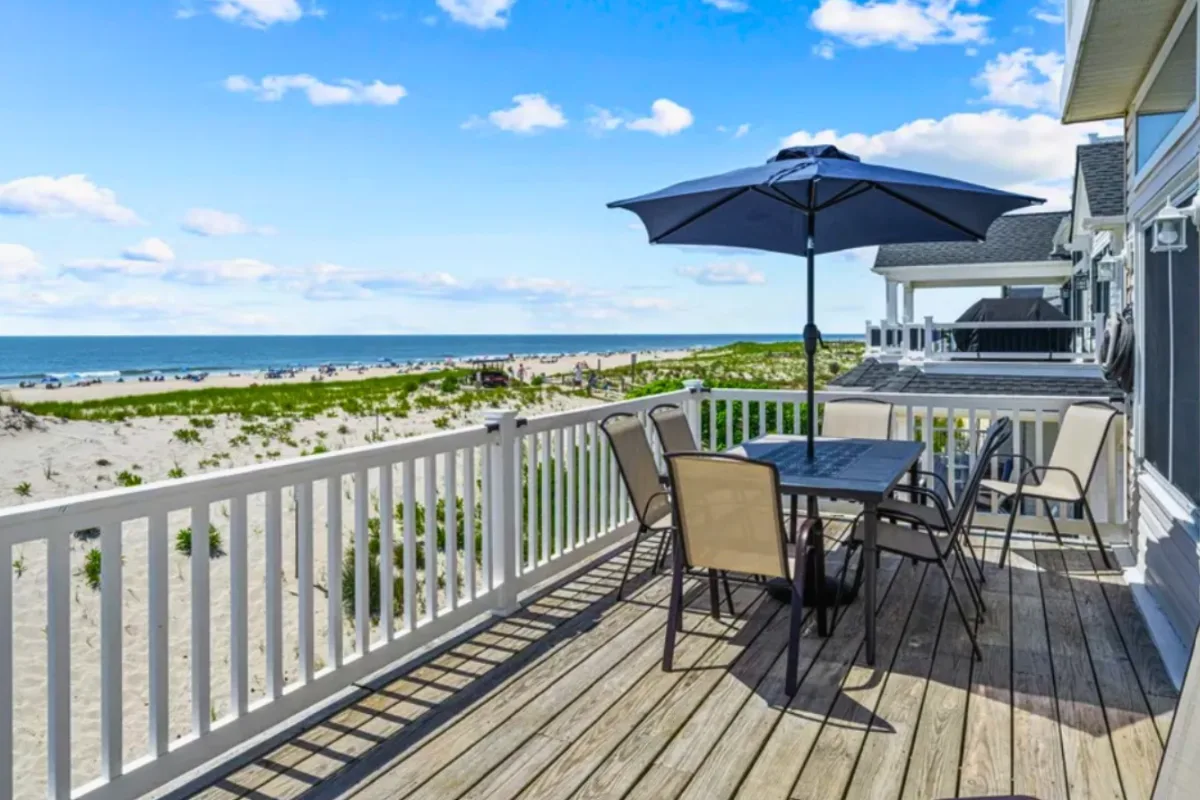
Where you stay on Long Beach Island shapes the week in ways that have nothing to do with the house itself. The right rental in the right location for the right trip type is a different experience than the wrong one, even if the photos look similar and the price is close.
You now have enough to make that call with confidence. The rest is finding the house.
Frequently Asked Questions
What is the best town to stay in on Long Beach Island?
The best town depends on the trip. Surf City is the most balanced base for most visitors because of its central location, walkable Boulevard, beach and bay access, and proximity to the Route 72 causeway. Beach Haven suits groups that prioritize nightlife, restaurants, and south-end activity. Harvey Cedars and Loveladies are best for renters who want quiet and a residential feel. Barnegat Light is right for north-end access, lighthouse visits, and fishing. Ship Bottom offers the fastest mainland access.
Is Surf City a good place to stay on LBI?
Yes. Surf City is one of the best places to stay on LBI for first-time visitors, families, and anyone who wants a central base with walkable food, shops, beach access, and bay access. It sits near the midpoint of LBI's 18 miles, with Barnegat Light roughly 20 minutes north and Beach Haven roughly 20 minutes south. You can explore both ends of the island and come back to a town where everyday beach-week needs are close by.
How early do you need to book an LBI rental?
For prime July and August weeks, start searching in the fall and expect to commit by January at the latest. January is not early for the best LBI rentals — for some houses, it is already late. Many of the best properties are held by returning renters who rebook before the house is ever publicly listed. For shoulder season weeks in June or September, there is more flexibility.
What is the LBI check-in day?
Saturday is the standard check-in day for most peak-summer LBI weekly rentals. Most rentals run Saturday to Saturday. Check-in is typically between 3 and 4 p.m., while checkout is usually by 10 a.m. The gap exists so the house can be cleaned, inspected, and turned over before the next group arrives. Early check-in is not a courtesy you can count on during peak summer.
What is LBI turnover day?
Turnover day on Long Beach Island is Saturday — the island-wide weekly reset. Outgoing renters check out by 10 a.m., cleaning crews move in across hundreds of properties, and incoming renters begin arriving in the early afternoon. The causeway runs heavy, Long Beach Boulevard gets busy, and grocery stores can run lean. Plan your big grocery run for Sunday and treat Saturday as a transition day.
What does ocean block mean on Long Beach Island?
Ocean block means the rental property is on the same block as the beach entrance, with no streets to cross between the house and the sand. It is not the same as oceanfront, which sits directly on the dune line. Ocean block still requires a short walk, but that walk is usually easy enough that beach access feels almost automatic. It is often the sweet spot experienced LBI renters target — easy beach access without the highest oceanfront price.
What is the difference between ocean side and bay side on LBI?
Ocean side means the rental is east of Long Beach Boulevard, on the same side as the ocean beach. Bay side means the rental is west of the Boulevard, so you cross it to reach the ocean. Ocean side does not tell you how far from the water you are — always ask for the block number. Bay side usually means a longer beach walk but quieter streets, better sunset access, and often lower prices. Neither is automatically better. They create different vacations.
Are beach badges included with LBI rentals?
Sometimes, but not always. Beach badge inclusion varies by property, owner, and rental agency. Always confirm how many badges are provided, whether children in your group need them, and whether you need to purchase any separately before arriving. Do not assume badges are included because the listing does not specifically say they are not.
Can you rent for less than a week on Long Beach Island?
Yes, but short stays are much easier outside peak summer. During July and August, most LBI rental houses are built around full-week Saturday-to-Saturday stays. Partial-week openings exist on platforms like VRBO and Airbnb but are limited. Shoulder season in June and September opens up more flexibility. For short stays during peak summer, a hotel or inn is usually the more realistic path. In Surf City, the Surf City Hotel is the most practical on-island option for non-weekly stays.
Is there a hotel in Surf City, NJ?
Yes. The Surf City Hotel sits on Long Beach Boulevard in the center of town. It does not require a Saturday-to-Saturday weekly commitment, which is part of its value. For short stays, weekend trips, wedding weekends, or shoulder-season visits where a full rental week is not practical, Surf City Hotel is usually the first Surf City lodging option to check.
Is Surf City good for families?
Yes. Surf City is especially good for families because it combines beach access, walkability, food options, shops, the 5&10, bay access, and central island positioning. For families with young kids, the best fit is usually ocean block or close ocean side between roughly 10th and 20th Street. The bay beach at 16th Street gives families a calmer-water option, and the central location keeps the whole island accessible across the week.
What is the difference between staying in Surf City and Beach Haven?
Surf City is the better balanced base. Beach Haven is the better activity-heavy base. Surf City sits near the midpoint of LBI's 18 miles, with roughly 20 minutes to either end of the island, a walkable Boulevard, and practical causeway proximity. Beach Haven sits at the southern end with the most concentrated nightlife, restaurants, and family entertainment on LBI, including Fantasy Island. Surf City is stronger for first-timers and families. Beach Haven is stronger when south-end activity is the primary goal.
How far is Surf City from the Garden State Parkway?
Surf City is roughly 8 to 10 miles from the Garden State Parkway and about 15 to 20 minutes away in normal traffic via Route 72 east. Summer Saturdays can take longer because Route 72 and the causeway carry most of the island's arrival and departure traffic. Surf City's advantage is that once you cross onto LBI, you are already near your base instead of driving further north or south on Long Beach Boulevard.
Editorial note
This guide was researched and written by the SurfCityNewJersey.com editorial team. We verify information against official borough sources, local code, and on-the-ground research. Details like badge prices, hours, and rules can change between seasons. When in doubt, confirm with the borough directly before your visit. Learn more about our team.